


Blog / GMC Maintenance

Blog

All GMC Maintenance New Inventory Carroll GMC Venice Service Venice GMC Dealer Service Venice GMC Service GMC Models Finance News Pre-Owned Inventory GMC Oil Change Parts Social Trucks Brake Service GMC Sierra 1500 Green 2026 GMC Terrain Body Shop GMC Trim Levels Technology Fleet GMC Acadia vs Toyota Highlander GMC Financing GMC ProGrade GMC Truck Tire Rotation Venice Used Cars
Automotive technician inspecting a vehicle engine and completing a maintenance checklist during a professional service appointment.

What Does the GMC “Reduced Engine Power” Warning Mean?

If you've ever been startled by a "Reduced Engine Power" warning on the dashboard of your GMC truck or SUV, don’t panic—and don’t ignore it either. The Reduced Engine Power warning is your GMC vehicle's way of telling you that something in one of its key systems needs attention. For drivers in Venice, Florida, knowing what this warning means and how to respond can save you time, stress, and money. more Why Does the Reduced Engine Power Warning Appear? The Reduced Engine Power warning typically activates when your GMC's Engine Control Module detects a fault that could potentially harm the engine or drivetrain. Rather than allowing continued operation that might cause further damage, the system intentionally limits performance as a protective measure for both the vehicle—and you. Common causes include a faulty throttle body, a problem with the electronic throttle control system, a failing mass airflow sensor, or a clogged catalytic converter. Issues with wiring harnesses, sensors, or even a weak battery can also trigger this power warning. Because multiple components can be responsible, a proper diagnostic scan is the most reliable and safest way to pinpoint the source. What Happens When the Warning Is Active? When the GMC Reduced Engine Power warning is active, you may notice your vehicle accelerating more slowly than usual or struggling to maintain speed. The Check Engine light will often illuminate alongside this message. In some cases, the truck or SUV may go into a limited performance mode, sometimes called "limp mode," which restricts output to protect the engine. While your vehicle may still be drivable in this state, it is not recommended to ignore the warning or continue pushing the vehicle hard. The power warning is a signal that something needs professional attention sooner rather than later. Should You Keep Driving? If the GMC Reduced Engine Power warning appears while you're on the road, the safest step is to pull over when it's safe to do so and turn the engine off. Wait a few minutes, then restart the vehicle. In some minor cases, like a temporary sensor glitch, the warning may clear on its own. However, if the message returns or other warning lights remain on, do not continue driving as normal. Have the vehicle inspected by a certified technician as soon as possible. Continuing to drive with an unresolved issue can lead to more extensive—and more expensive—repairs down the road. How a Technician Diagnoses and Fixes the Problem A certified GMC technician will connect a diagnostic tool to your vehicle's OBD-II port to retrieve any stored fault codes. These codes help narrow down which system or component triggered the GMC Reduced Engine Power warning. From there, the technician will inspect the relevant components, which may include the throttle actuator control system, sensor connections, fuel delivery components, or emissions-related parts. Once the root cause is confirmed, the repair could range from replacing a sensor or cleaning a throttle body to addressing wiring issues or replacing a more significant component. The key is accurate diagnosis before any repairs are made. As tempting as it may be to figure it out on your own, there are so many factors in play that getting a professional to look at it is best. Visit Carroll GMC in Venice, FL If your GMC is showing a Reduced Engine Power warning, the team at Carroll GMC is ready to help. Serving drivers throughout Venice, Florida, Carroll GMC offers certified service from trained technicians who know your vehicle inside and out. Don't wait on a warning that could lead to bigger problems— schedule a service appointment at carrollgmc.com and get back on the road with confidence.

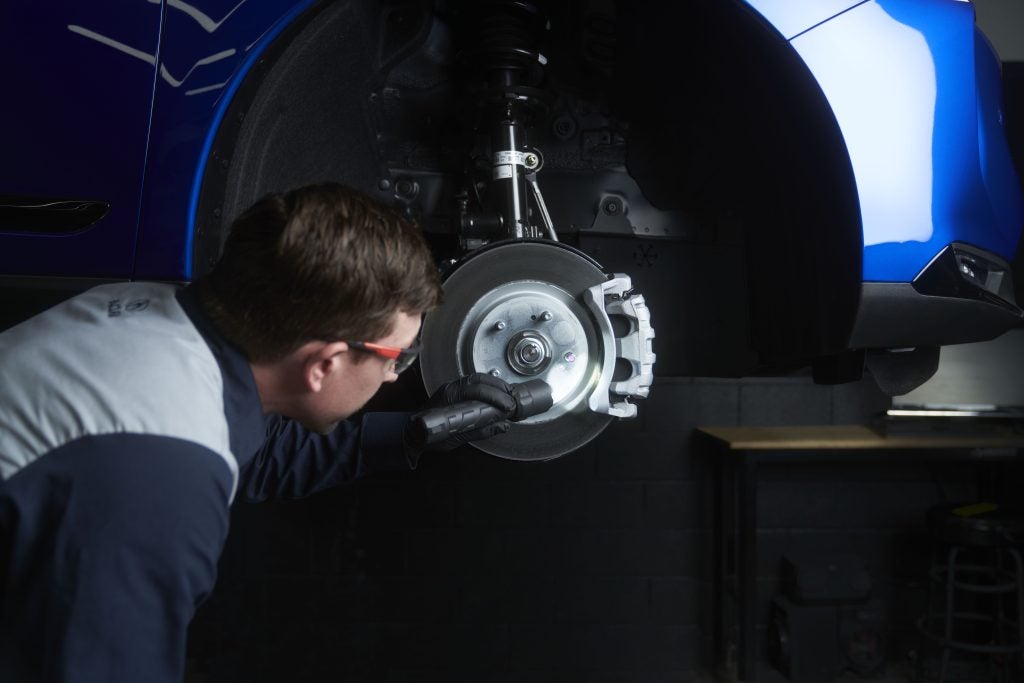
Technician inspecting a vehicle's brake rotor and caliper assembly during a professional brake service.

GMC Maintenance Tips Every Venice, FL Driver Should Know

Owning a GMC means you've got a vehicle that's built to perform. No matter if you drive a Sierra, Yukon, or Terrain, staying on top of GMC maintenance is one of the best things you can do to protect that investment. For drivers in Venice, FL, where heat and humidity can take a toll on your vehicle, a consistent maintenance routine makes all the difference. more Why Regular GMC Maintenance is Important Skipping scheduled service might not seem like a big deal at first, but small issues can turn into costly repairs if they go unaddressed. Routine maintenance keeps your engine running efficiently, extends the life of key components, and helps maintain your vehicle's resale value. Staying on Top of Oil Changes One of the most important - and most overlooked - parts of vehicle care is the oil change. Fresh oil lubricates your engine's moving parts, reduces heat buildup, and helps prevent long-term wear. Most GMC vehicles recommend an oil change every 5,000 to 7,500 miles depending on your driving habits and the type of oil used but always refer to your owner's manual for the exact interval. If you drive in stop-and-go traffic, tow frequently, or spend a lot of time in Florida's summer heat, you may need oil changes more often. Skipping this service can lead to sludge buildup and engine damage that's far more expensive to fix. Keeping Your Brakes in Good Shape Alongside oil changes, your brakes are one of the most critical safety systems on your GMC. Brake pads wear down over time and need regular inspection to ensure they're functioning properly. Signs that your brakes may need attention include squealing or grinding noises, a soft brake pedal, or a vehicle that pulls to one side when stopping. Brake fluids should also be checked periodically, since moisture absorption over time can reduce its effectiveness. Addressing brake concerns early helps keep you and your passengers safe and prevents more significant damage to rotors and calipers. Other Key Maintenance Items to Keep in Mind Beyond oil changes and brakes, a well-rounded GMC maintenance plan should include tire rotations, air filter replacements, battery inspections, and fluid checks. Tires should be rotated roughly every 5,000 to 7,500 miles to promote even wear, and cabin and engine air filters should be swapped out as needed to maintain airflow and fuel efficiency. Your battery deserves attention too, especially in warm climates. Heat can shorten battery life, so having it tested at least once a year is a smart habit for anyone driving in the Venice heat. Trusting the Experts with Your GMC Service When it comes to maintaining your GMC, working with trained technicians who know your vehicle is always the better choice. Certified service teams use manufacturer-approved parts and tools, which means your vehicle is serviced to the same standards it was built to. Regular visits also allow technicians to catch anything unusual before it becomes a bigger issue. Take Care of Your GMC and It Will Take Care of You Staying consistent with GMC maintenance - from routine oil changes to brake inspections and everything in between - is the key to getting the most out of your vehicle for years to come. No matter if you're commuting locally or heading out on a longer road trip, a well-maintained GMC gives you the confidence to drive without worry. Come in and see us at Carroll GMC or visit us online at carrollgmc.com to schedule your next service appointment and keep your vehicle performing at its best.

A black GMC Sierra HD AT4X pickup truck driving off-road through a grassy field, kicking up a cloud of dust.

GMC Tire Care Tips for Trucks and SUVs in Venice, FL

Tires serve as the sole contact point between a vehicle and the road, making proper maintenance an essential practice for safety and longevity. If you require additional maintenance information, please contact Carroll GMC Venice in Venice, FL, to consult with our service department. Drivers of the GMC Sierra 1500, Yukon, and Canyon can follow standard guidelines to maintain their tires. more Why Tire Maintenance Matters Trucks and SUVs endure specific physical demands, requiring diligent upkeep. A GMC Sierra HD hauls heavy loads, which places significant stress on the tires. SUVs, such as the Acadia, carry additional passenger weight. Proper care prevents uneven wear, diminished traction, and severe blowouts. Check Tire Pressure Maintaining proper tire pressure is a standard maintenance task, ensuring safe operation. Underinflated tires wear rapidly on the outer edges, which reduces overall fuel efficiency. Overinflated tires wear in the center, reducing the road contact patch. Check tire pressure 1 time per month. The recommended pressure for your GMC vehicle is located on the driver's door jamb sticker, or you can find it in the owner's manual. Temperature fluctuations in Venice, FL regularly affect tire pressure. Rotate Tires on Schedule Front and rear tires wear at different rates due to drivetrain configurations, making rotation necessary. Rotating tires promote even tread wear across all 4 wheels. Tire rotation is recommended every 5,000 to 7,500 miles for most GMC models. Models used for towing, like the Sierra AT4 or Canyon AT4, may require more frequent rotations. Monitor Tread Depth Tread depth dictates road grip, which is necessary during wet weather conditions. The legal minimum tread depth is 2/32", though experts recommend replacement before tires reach this exact measurement. Use a penny to check the tread groove. If the top of the head is visible, the tires require prompt replacement. Alignment and Balancing Wheel alignment ensures tires wear evenly, prolonging their usable life. Misalignment occurs from driving over curbs or potholes, causing the vehicle to pull to 1 side. Balancing distributes weight evenly across the wheel assembly. Unbalanced tires create steering wheel vibration, which is primarily noticeable at highway speeds. Visit Carroll GMC Venice Routine tire maintenance promotes the overall longevity of your truck or SUV. Monitoring pressure, rotation, tread depth, alignment, and balancing will maximize tire lifespan. Proper tire care is standard practice for vehicles like the Canyon, Sierra, and Yukon. To schedule a vehicle inspection or receive tire services, please contact Carroll GMC Venice in Venice, FL.

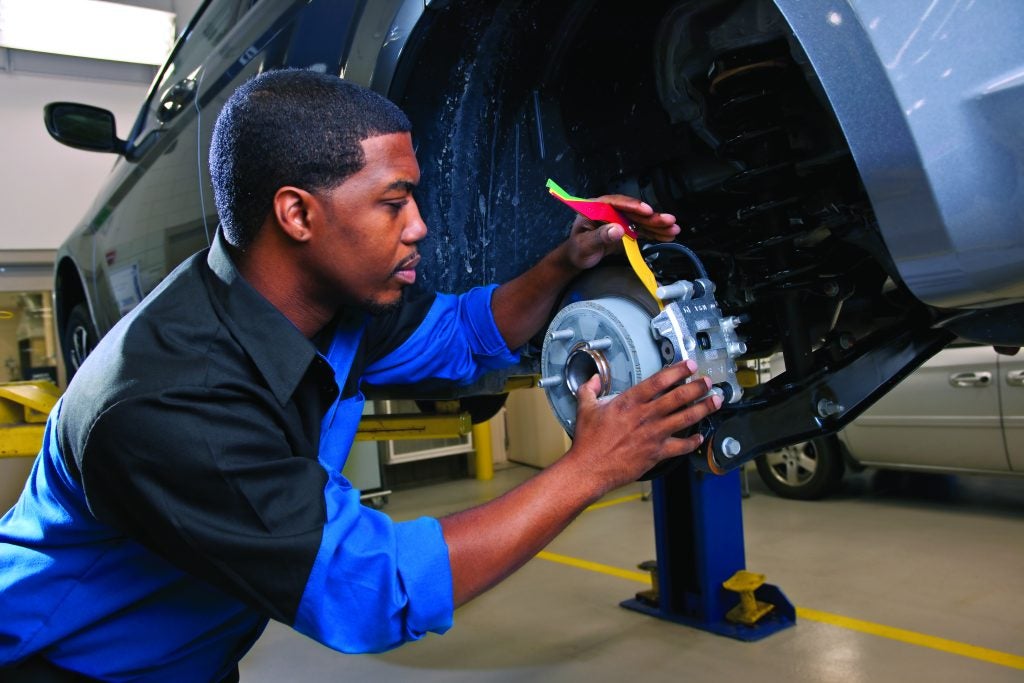
A mechanic in a blue and black uniform uses a color-coded brake lining thickness gauge to inspect the brake pads on a vehicle lifted on a shop hoist.

GMC Maintenance Guide: Essential Service Tips for Long-Lasting Performance

Owning a GMC means investing in a vehicle built to Professional Grade standards — but even the toughest trucks and SUVs need regular care to perform at their best. Whether you drive a Sierra 1500, a Yukon, or a Terrain around Venice, FL, following a consistent maintenance routine is one of the smartest things you can do to protect that investment. This GMC Maintenance Guide: Essential Service Tips covers everything you need to know to keep your vehicle running smoothly for years to come. more Why Regular GMC Maintenance Matters Staying on top of routine service does more than preventing breakdowns. It helps maintain your vehicle's performance, preserves resale value, and keeps safety systems working as intended. GMC vehicles run their best with consistent, scheduled maintenance. Skipping service intervals — even occasionally — can lead to larger, more expensive repairs down the road. Oil Changes and Engine Care One of the most fundamental steps in any GMC maintenance guide is keeping up with oil changes. Fresh oil lubricates engine components, reduces heat, and prevents premature wear. Most GMC trucks and SUVs are equipped with an Oil Life Monitoring System that calculates when your oil needs to be changed based on your driving habits. Pay attention to that alert rather than relying solely on a fixed mileage interval. Using the correct oil type and viscosity as specified in your owner's manual is equally important. Your GMC Certified Service technician can confirm the right specification for your engine. Tire Rotation and Brake Inspection Tires and brakes are two of the most critical safety components on any vehicle, making them essential parts of your service routine. Rotating your tires regularly promotes even tread wear, which extends tire life and helps maintain consistent handling. GMC generally recommends tire rotations every 7,500 miles, though your owner's manual will provide the exact interval for your model. Brake inspections should happen at every service visit. Worn brake pads, low brake fluid, or deteriorating rotors can compromise stopping performance significantly. If you notice squealing, grinding, or a soft brake pedal, schedule an inspection right away. Fluid Checks and Filter Replacements Your GMC relies on a variety of fluids to keep its systems operating correctly. Coolant, transmission fluid, brake fluid, power steering fluid, and windshield washer fluid all need periodic inspection and replacement. Low or contaminated fluids can lead to overheating, transmission issues, and other costly problems. During routine service visits, a technician will typically inspect these fluid levels and flag anything that needs attention. Air filters and cabin air filters are also part of a complete maintenance checklist. A clogged engine air filter can reduce performance and efficiency, while a dirty cabin air filter affects interior air quality. Both are inexpensive to replace and easy to overlook. Battery and Electrical System Maintenance A healthy battery is essential for starting your GMC reliably, especially if you live somewhere with hot summers — like Venice, Florida, where heat can accelerate battery wear. Most automotive batteries last three to five years under normal conditions. If your vehicle is slow to start, if you notice dimming headlights, or if a warning light appears on your instrument cluster, it may be time for a battery test. Your GMC's charging system and alternator should also be checked periodically. These components work together to keep your battery charged and your electrical systems running properly. Following Your GMC's Recommended Service Schedule The best resource for understanding your vehicle's specific maintenance needs is the owner's manual. It outlines every recommended service interval — from spark plug replacements to transmission of fluid changes — based on your exact model and engine. GMC also offers a First Service Visit program where your first maintenance visit is covered when you purchase or lease a new vehicle. Taking advantage of that program is a great way to start your ownership experience on the right foot. Sticking to the manufacturer's recommended schedule ensures your GMC remains in top condition and that your warranty coverage stays intact. Keep Your GMC Running at Its Best Following the GMC Maintenance Guide is the most effective way to protect your vehicle and enjoy it for the long haul. From oil changes and tire rotations to battery checks and fluid inspections, every step plays a role in keeping your truck or SUV performing at its peak. Drivers throughout Venice, FL can count on expert GMC Certified Service to handle every aspect of their vehicle care. Stop by Carroll GMC Venice or visit carrollgmc.com to schedule your next service appointment and keep your GMC road ready all year long.

A service technician wearing a "Certified Service" shirt fills out a vehicle inspection checklist on a clipboard.

Why Regular Multi-Point Inspections Matter for Your GMC

If you own a GMC truck or SUV, routine attention is required to maintain the condition of the vehicle. Multi-point inspections serve as a standard maintenance procedure for drivers, and scheduling this service at Carroll GMC in Venice, FL, provides a clear overview of your vehicle systems. A multi-point inspection is a structured review of key automotive components, performed by technicians who understand the specific mechanical requirements of the manufacturer. This process is 1 of the most effective methods for identifying minor concerns before they necessitate extensive repairs. Please reach out to our service team to schedule an appointment to learn more about the status of your vehicle. more What Happens During a Multi-Point Inspection During a multi-point inspection, a certified technician evaluates multiple components across your vehicle. This evaluation includes the engine, brakes, tires, belts, hoses, fluid levels, and exterior lighting. The objective is to establish a factual report regarding the mechanical status of the truck or SUV. This is a systematic procedure that applies to all models, if you drive a Sierra 1500, a Yukon, or a Canyon. The technician generates a condition report that classifies components as satisfactory, requiring monitoring, or needing immediate replacement. Protecting Your Vehicle Over Time Automobiles represent a significant financial commitment, and scheduled maintenance helps preserve their functional longevity. Technicians utilize multi-point inspections to detect worn brake pads, depleted fluid reserves, or degrading belts early in the process. Correcting a minor brake component defect promptly prevents subsequent systemic failures. For drivers residing in Venice, FL, where high humidity and coastal environmental factors accelerate component degradation, consistent oversight is a logical precaution. The regional climate affects rubber seals, hoses, and engine cooling systems, validating the need for routine inspections. What Multi-Point Inspections Support Safety Automotive safety relies on the proper function of physical mechanical systems. Multi-point inspections verify that critical safety mechanisms operate according to factory specifications. Tires, brakes, steering linkages, and suspension components dictate how a vehicle handles and decelerates. If these parts are compromised, the physical safety of the occupants is negatively impacted. Documented inspections confirm these systems are intact before operational failures occur on public roads. When to Schedule Your Next Inspection Automotive service professionals advise conducting multi-point inspections at designated intervals, frequently corresponding with routine oil changes or tire rotations. This strategy consolidates maintenance tasks and maintains a consistent service history. If you observe any operational anomalies, such as an unfamiliar noise, illuminated dashboard indicators, or altered handling characteristics, a prompt inspection is highly recommended. Schedule Service Today Consistent maintenance practices help mitigate unexpected mechanical failures and uphold the structural integrity of your vehicle. Scheduling an inspection allows a technician to address component wear systematically. If your vehicle requires scheduled maintenance, contact Carroll GMC in Venice, FL. You can visit carrollgmc.com to arrange an appointment and ensure your GMC continues to operate according to the standards established by the manufacturer.

Contact Us

Fill out this form below and we'll contact you shortly
*Required Fields